
Ida Hwb’s XR for Good:Event Reflections
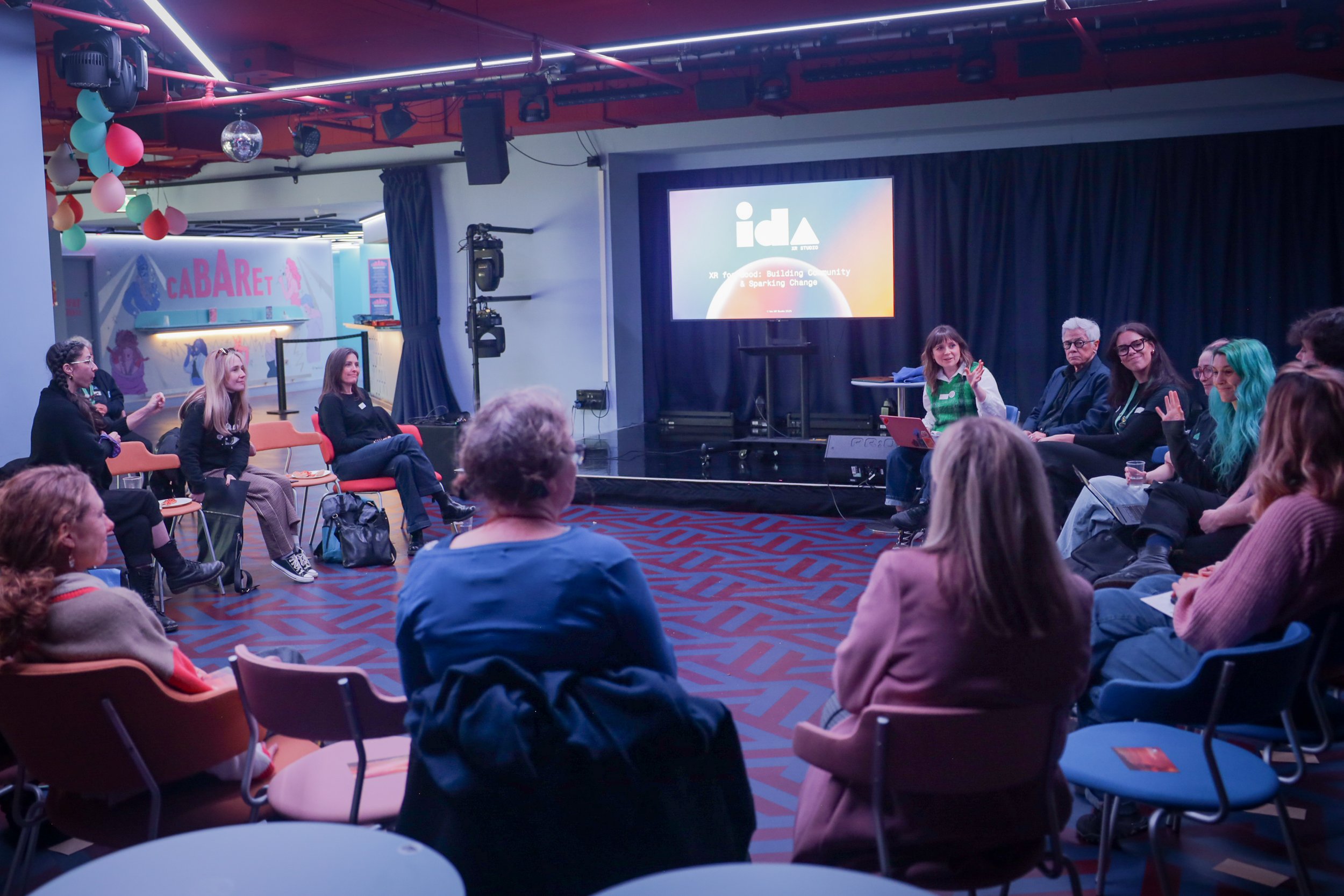
Ida Hwb’s XR for Good: Building Community & Sparking Change took place on 2 December 2025 as part of Ida’s partnership with Wales Millennium Centre, Cardiff.
Post Authored by Eirian (Yan) Soar, Images by Boo Andrea
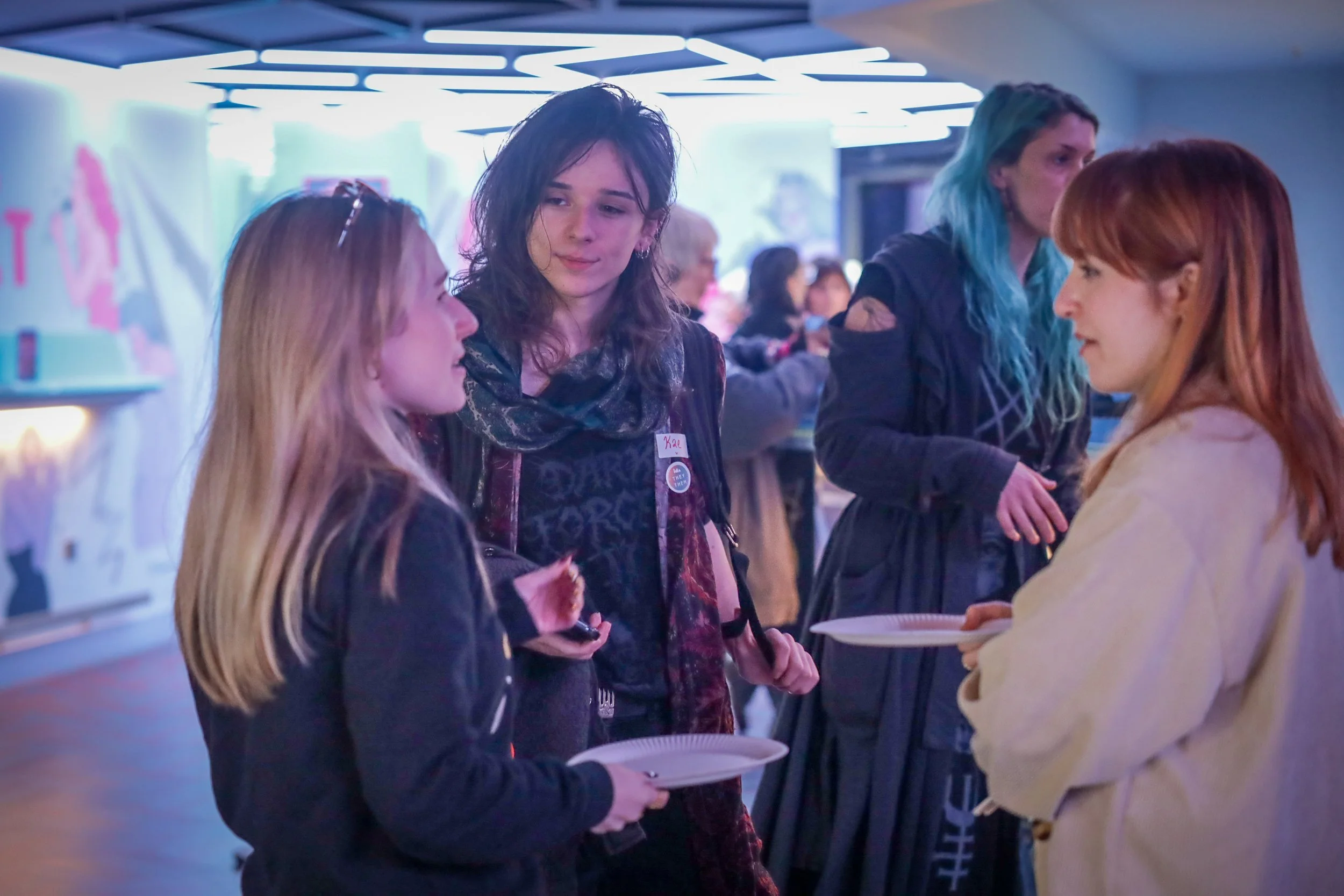
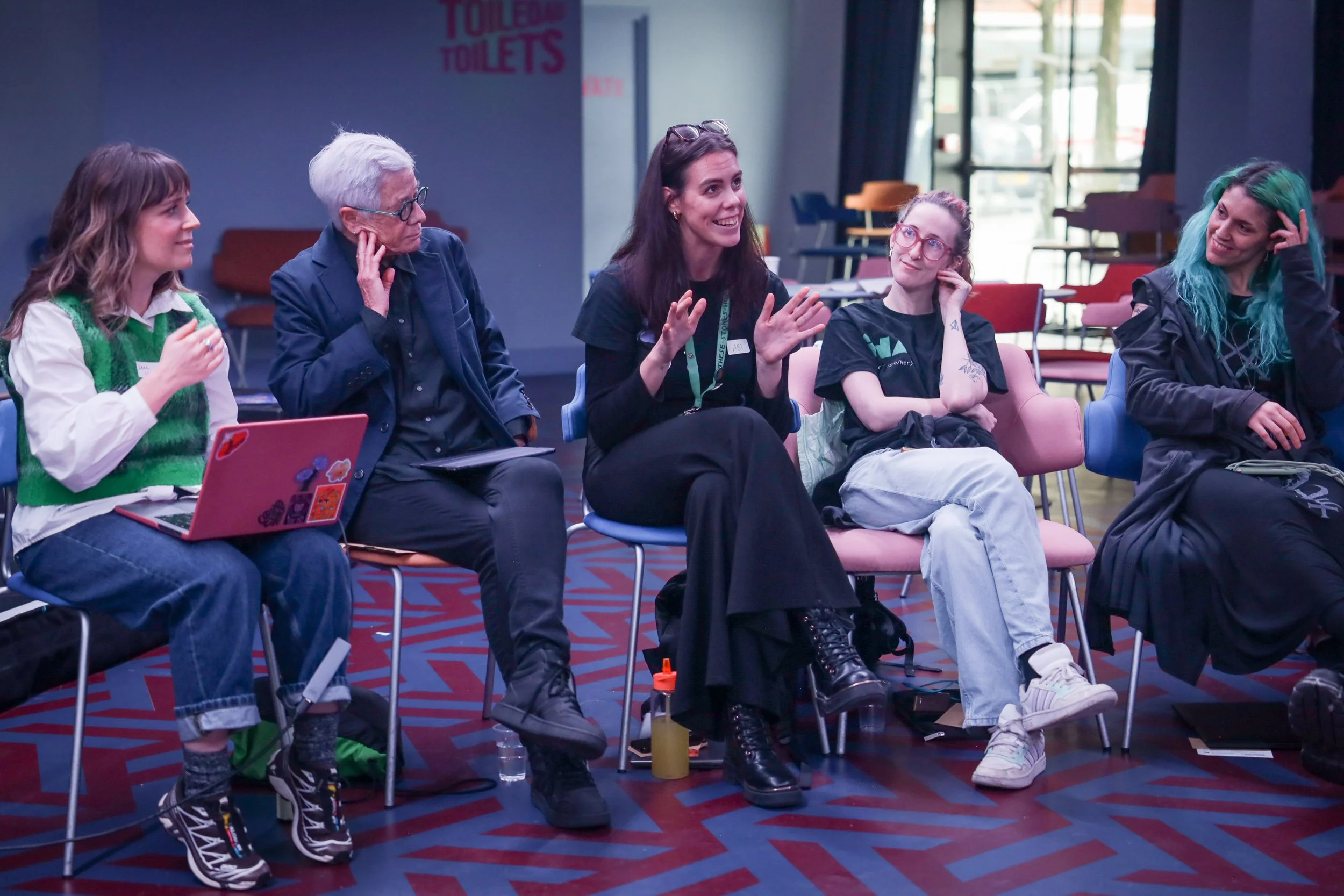
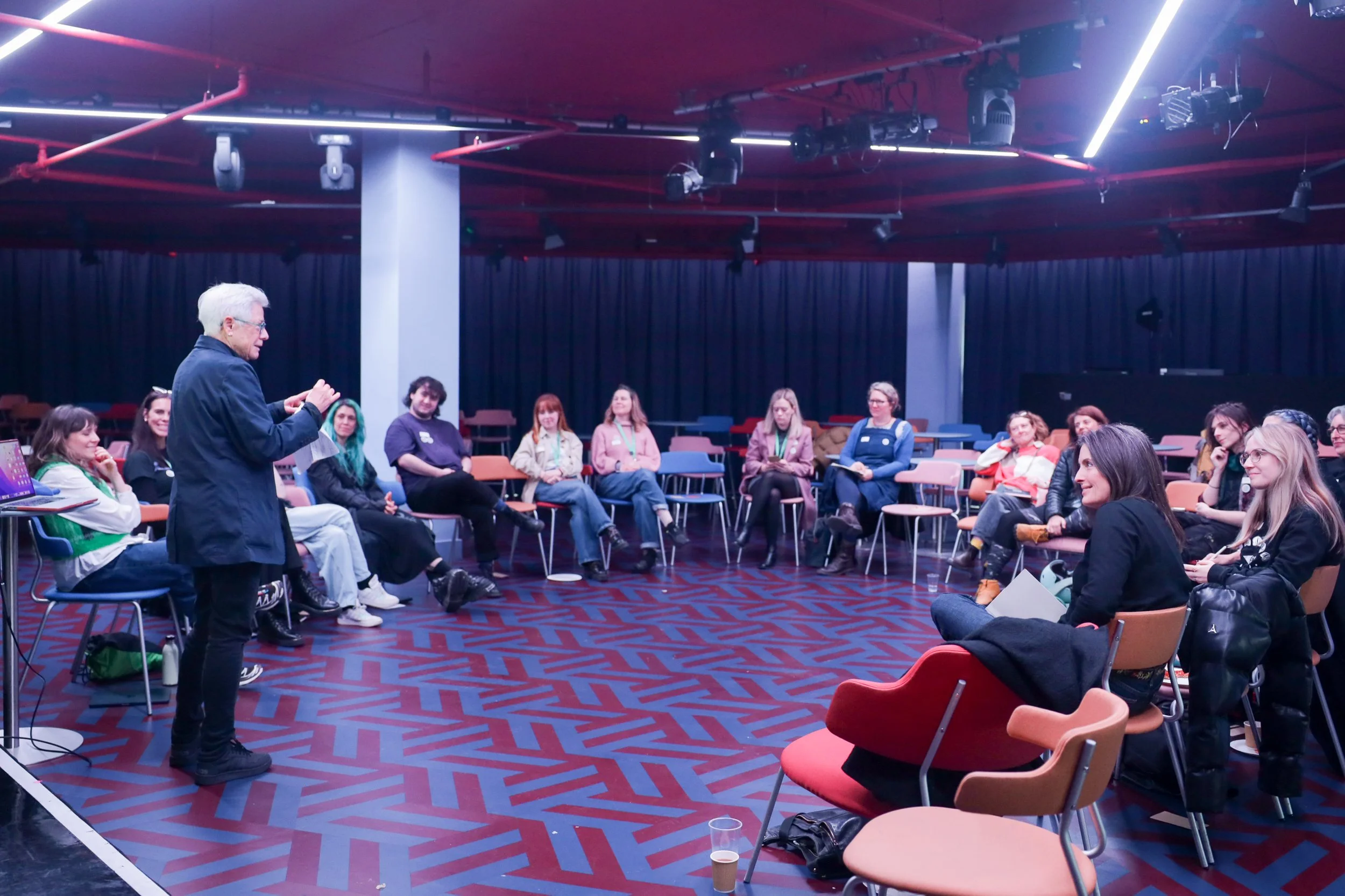
Last month, Ida XR held another event in partnership with Wales Millennium Centre, exploring how immersive technologies can be used as tools for connection, resistance and change. It was a pleasure to connect with fellow immersive practitioners and enthusiasts, and to hear insights from guest speakers Rose Bond and Antonia Forster. Below are some of our key reflections from the day.
Do you remember your first time in VR?
This was one of the opening considerations from guest speaker Rose Bond. Was your experience one of awe and wonder, or did you find the technology difficult to navigate? Did you feel cared for and guided within the experience? And what was it that made you want to pursue XR further? For some, the technology may have matured significantly since that first encounter, and your assessment of the medium may have shifted. Yet those early experiences still matter. They often shape our ongoing relationship with immersive technology and serve as a reminder that XR’s real power does not lie in the hardware itself, but in the thoughtful processes behind each experience – how carefully embodiment, agency and care are considered by the teams creating and presenting the work.
Communal XR
Throughout the event, we returned to the idea that XR experiences are often designed as solitary and intimate encounters. Projects such as Rose Bond’s ‘Earths to Come’ challenge this assumption. Developed through a collaborative experiment to “democratise VR”, the work positions immersive technology as communal, bodily and shared. By using spatial audio and site-specific installation, ‘Earths to Come’ invites audiences to experience XR together rather than in isolation, shifting immersion from an individual act to a collective one.
Antonia Forster’s ‘LGBTQ+ Museum’ also embraces this communal approach. From inviting community members to contribute their own stories, to using body-tracking technologies that visualise emotion (such as the ‘Aura Mirror’), the work creates a shared environment where participants are not passive viewers, but active contributors to a wider narrative. Here, XR becomes a space for collective visibility and belonging.
XR as an act of resistance
Both speakers spoke powerfully about XR as a form of resistance – particularly when underrepresented narratives, identities or histories are absent from these spaces. Antonia’s LGBTQ+ Museum emerged from her personal experience and research into homophobia, highlighting how a lack of contact and understanding can fuel harm. By building virtual worlds where queer stories are centred, protected and celebrated, the experience became a way to reclaim space and agency.
Similarly, Rose reflected on her journey from traditional animation into immersive practice, describing a desire to expand beyond the limitations of the frame. Not seeing the work she wanted to experience – especially as a queer woman – became a catalyst to make it herself.
Building a safe community
During the open discussion with the audience, the topic of safety and inclusion when building creative communities emerged. The Ida XR founders shared insights from their own experiences, emphasising the importance of setting and honouring a community’s initial purpose. Clear intentions, shared guidelines and codes of conduct help create spaces rooted in mutual respect and trust. These intentional spaces allow people to find their voice and grow in confidence – skills they can then carry into wider industry contexts.
How do we measure the impact/success?
Change is not always immediate or easily measurable. Immersive technologies may not resolve complex social issues overnight, but they can create the conditions for change. Often, impact appears in small or quiet moments: access to experiences previously unavailable, a shift in perspective, or the simple act of being seen. Crucially, both speakers emphasised the importance of process. Questioning why we make work, prototyping early, collaborating with communities rather than designing for them, and recognising privilege are all part of using XR responsibly. Change is not embedded in the technology alone, but in how it is imagined, shared and held.
CONCLUSION
‘XR for Good: Building Community & Sparking Change’ asked what happens when technology, creativity, activism and community intersect. Rather than offering definitive answers, the event created space for reflection, dialogue and collective learning.
What emerged were reminders that:
Immersive tools are most powerful when they are rooted in intention, care and thoughtful design.
If a voice, narrative or history that you care about feels missing from the industry, making the work yourself (or supporting those with lived experience to lead it) can be an act of resistance.
Meaningful communal XR does not happen by accident; it is an ongoing practice shaped by collaboration, trust and the courage to imagine alternatives together.
Process matters. Questioning why we make work, who it is for, and how it is shared is as important as the final outcome.
The impact of XR for good is not always immediately measurable, but the ongoing change is often felt moment by moment.
A huge thank you to all the speakers and attendees who shared their insights.
Make sure to sign up to Ida XR studio's mailing list to be notified of future events like this one.